
Cathy Gaynor: 'I had no symptoms, no warning until a routine screen found breast cancer'
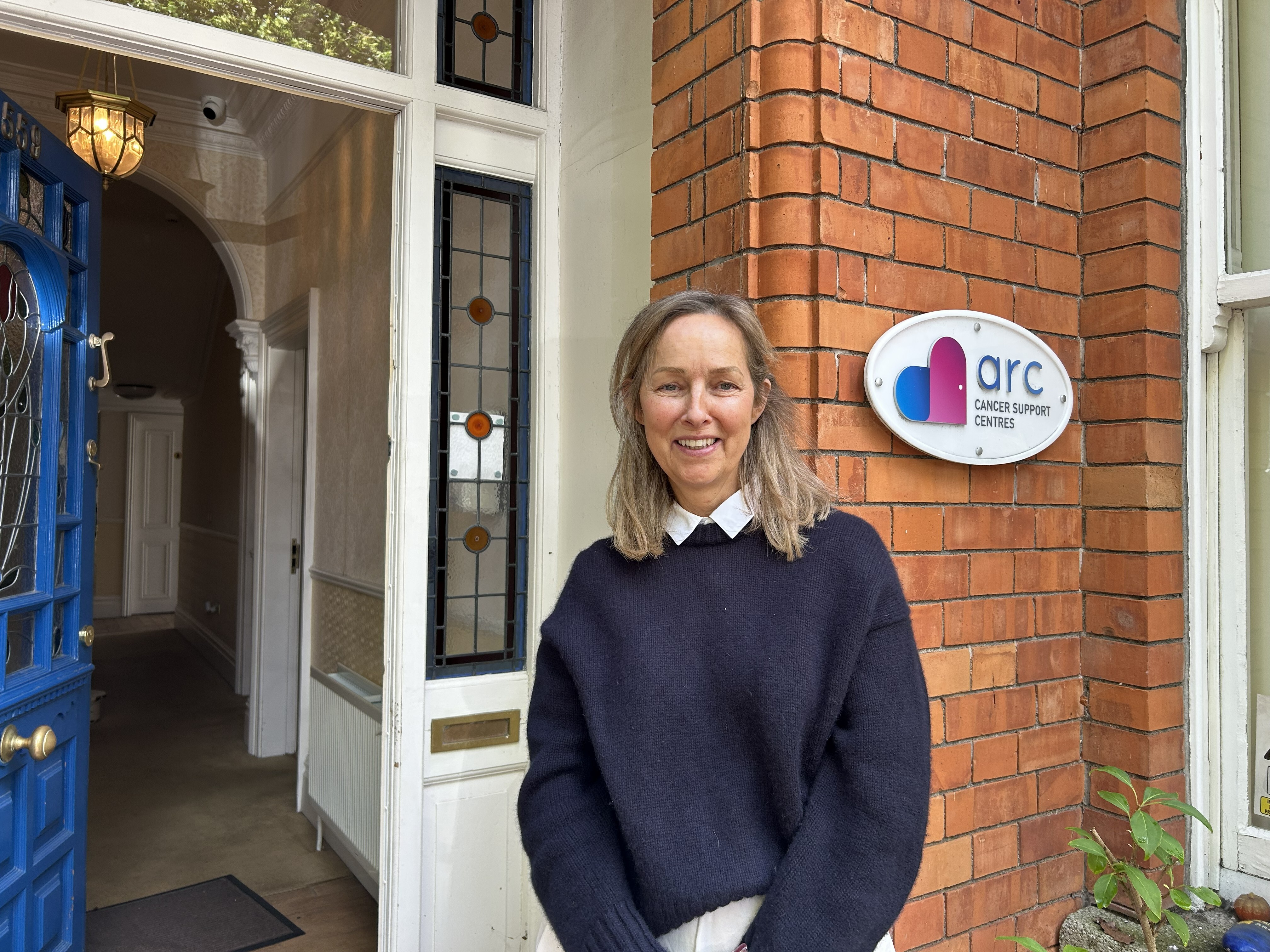
Cathy Gaynor (50s), from Sandymount, Co Dublin, went for a routine visit to her GP to discuss Hormone Replacement Therapy, but didn’t realise that her life would change forever – as the mother-of-two discovered she had breast cancer.
“I had no symptoms. No lump, nothing. I had missed my breast check appointments because of Covid, and my mum passed away so life took over and I missed my appointment.”
Cathy’s GP referred her to St Vincent’s Private Hospital for a private breast check appointment in October 2023. The mother-of-two was “dumbfounded” and “floored” when the consultant found tumours.
“I thought I was invincible. I now know my health and my well-being is a priority for myself and for the sake of my family.”
Hearing her diagnosis, Cathy’s thoughts turned immediately to her young children aged 15 and 9 at the time.
"When they started talking about biopsies, I knew something wasn't right. My first fear was for my children. I didn't want them to lose their mum."
At the time, Cathy was focused on understanding her diagnosis and treatment plan. In December 2023, she underwent a mastectomy and reconstruction surgery at St Vincent's University Hospital, followed by six months of chemotherapy and radiotherapy.
"During treatment, I just got on with what needed to be done."
It was only after treatment had ended that Cathy felt ready to seek additional support. Having seen information about ARC Cancer Support Centres at St Vincent's, she enrolled in ARC's Thrive and Survive programme before accessing counselling and acupuncture at ARC's Herbert Avenue centre.
"The counselling gave me space to process everything that had happened. The centre itself felt calm and welcoming. I could cycle over from Sandymount, have a treatment, sit down with a cup of tea and take a breath. It became an important part of my recovery."
.jpg?width=5673&height=3782&name=ARC_0822_1%20(1).jpg)
As Cathy began rebuilding her own wellbeing, she also started thinking about the impact her diagnosis may have had on her children, Millie who was in 3rd year and George in 4th class.
Like many parents affected by cancer, she and her husband worked hard to reassure their children throughout treatment.
"We spoke to them individually and tried to explain things in a way that wouldn't frighten them. They seemed to cope well, but as any parent knows, you can never fully know what's going on inside your child's head."
Cathy signed up both her children to ARC's Child and Teen Counselling Service.
For Millie, counselling offered a creative outlet and an opportunity to explore her thoughts independently.
"Her therapist, Sorcha, really understood her. Millie is very creative, and she found ways to help her express herself through art. It made a real difference."
For George, the family used ARC’s children’s support service, which Cathy says was a huge help navigating the complex issues of cancer with children.
.jpg?width=6000&height=4000&name=ARC_0228%20(1).jpg)
"We all felt very at ease going to ARC as it has a very special way with children and meets them where they are. We’d look forward to our visits as it was such a warm and welcoming place and the children’s space especially lovely."
For Cathy, the value of the service lies not only in the support her children receive, but in the reassurance it provides her as a parent.
"Knowing they have a safe, confidential space to talk gives me enormous peace of mind. If there were worries they didn't want to bring to me or their dad, they had somewhere else to bring them."
Over time, ARC became woven into family life. Millie's father Paul would bring her to appointments and wait with a coffee in the cosy sitting room. Cathy would go with George and make a small outing of their visits together.
"We’d stop somewhere for something to eat afterwards. They're simple moments, but they matter. It means the experience becomes something positive rather than something daunting."
Reflecting on the past two years, Cathy believes the benefits of support extend far beyond the individual receiving it.
"There's a ripple effect. Even though my husband Paul hasn't engaged in counselling himself, ARC has helped him too. It has opened up conversations in our family and made talking about wellbeing feel much more normal."
The fact that these services were available free of charge was also a relief for the family.
"When you're dealing with a cancer diagnosis, there are already so many things to worry about. Knowing support was available not just for me, but for my whole family, without any financial burden, was incredibly important. A huge thank you to ARC's donors, your support is so cherished by all of us families who need it."
Today, Cathy has completed treatment and continues to receive positive results from her follow-up appointments. Along the way, she has also found a new community through ARC and the wider cancer support network.
Looking back, it is the support ARC provided to her children that stands out most.
"As a mother, that's everything. I'm really glad I had ARC to help my children. That means the world to me."
"If anyone is going through their own cancer journey, ARC is there for you too when you need them."
October is Breast Cancer Awareness Month as more than 3,600 women and around 30 men are diagnosed with the disease each year in Ireland.
Breast Cancer Symptoms include:
The symptoms you get depend on the type of breast cancer you have. They can include:
- A lump or thickening in your breast or armpit
- A change in size or shape of your breast such as one breast becoming larger than the other
- A change in the skin of your breast, such as puckering, ridges or dimpling (the skin may look like orange peel) or redness
- A breast abscess or boil - this may appear as a red, tender area on your breast.
- A change in your nipple, such as a pulled in, sunken or flattened nipple.
- An unusual discharge (liquid) from one or both of your nipples. The discharge may be blood stained or watery.
- A change on or around the nipple such as a rash or flaky or crusted skin
- Swelling in your armpit or around your collarbone
- Soreness or warmth (inflammatory breast cancer)
- A red scaly rash on one nipple, which may itch or burn (Paget’s disease of the breast)
- Breast pain alone is rarely a symptom of breast cancer but it’s always best to talk to your doctor (GP).
- Get to know what’s normal for you and how your breasts look and feel.
- Check your breasts once a month.
- The week after your period is a good time, as your breasts will generally be less lumpy and tender. If you do not get periods, check your breasts the first day of each month.
- It’s important to check your breasts regularly. You have a better chance of cure and recovery if breast cancer is diagnosed early, before it has grown bigger or spread to other parts of the body.
How can I check myself?
Breast Cancer Screening Ireland
Breast screening helps find cancer at an early stage when you are well and have no signs or symptoms of breast cancer.
If breast cancer is found early, it’s easier to treat and there’s a better chance of recovery.
Who is eligible for breast screening
BreastCheck is the name of the national breast screening programme.
We offer free breast screening to women age 50 to 69.
You must be living in Ireland and have a PPS number.
Read more about breast screening here
This Breast Cancer Awareness Month, donate to ARC Cancer Support Centres to help provide free counselling to families who need it most.