
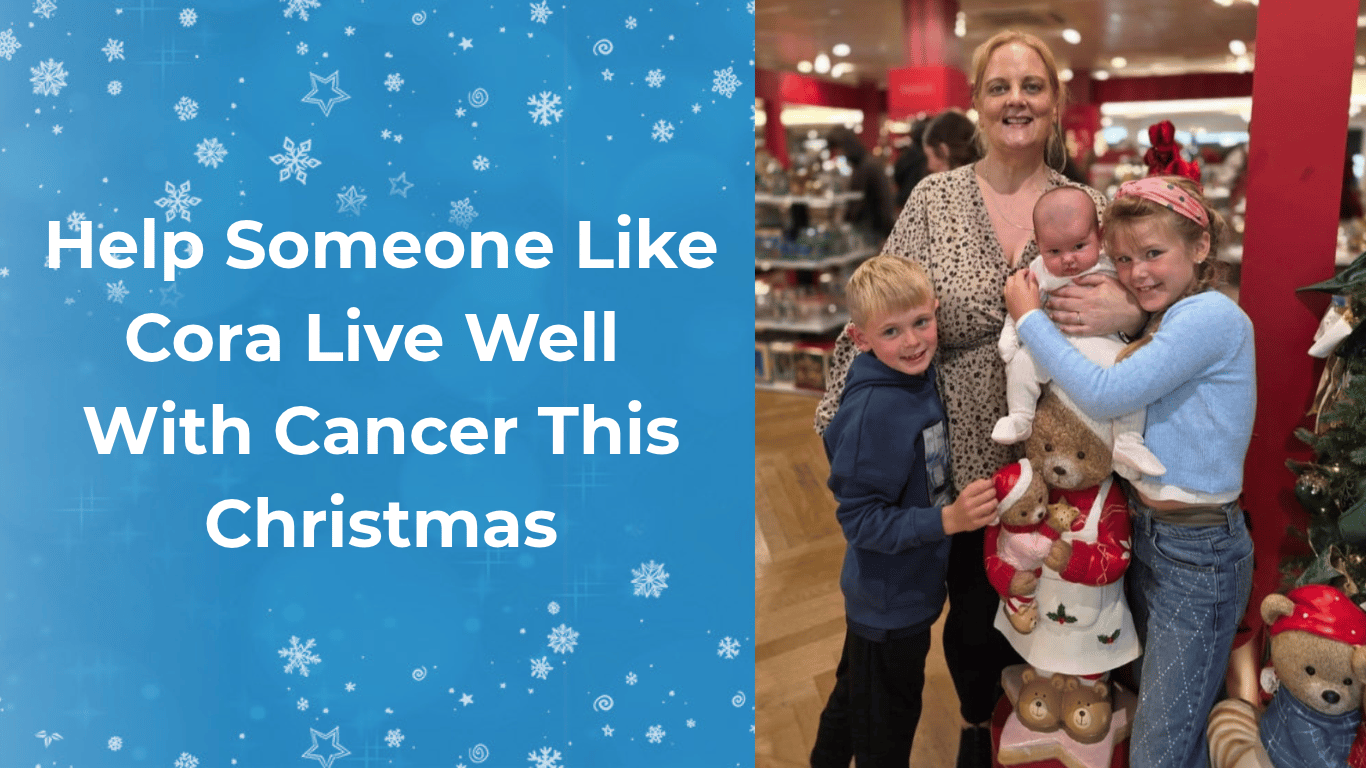
Twelve years ago, Cora Stanbridge was diagnosed with Stage 4 breast cancer at 38-years'-old. When she heard her diagnosis, Cora feared she would never see her two boys grow up, celebrate her 40th birthday or meet her grandchildren. Yet, twelve years later, Cora says she is thriving and not just surviving the terminal diagnosis.
Please donate and help someone like Cora live well with cancer
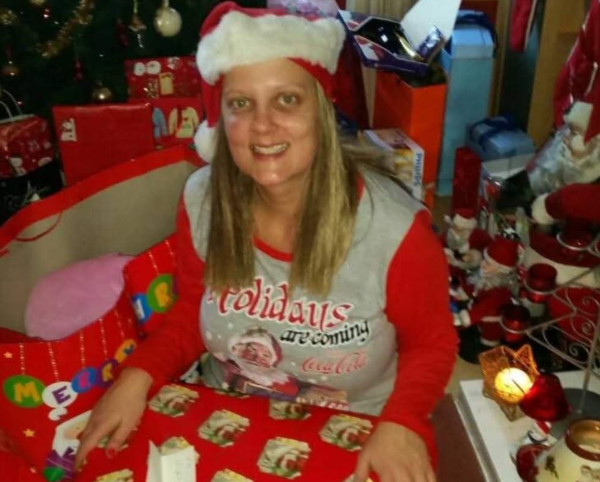
"I remember after my diagnosis, I was in Penneys with my mam. It was just a few weeks to go until Christmas. Festive music was playing, and all around us were decorations, cosy pyjamas, and people just going about their shopping. It all just became too much for me, and I broke down into big sobs and tears that wouldn’t stop coming. I thought I was about to celebrate my final Christmas," Cora says.
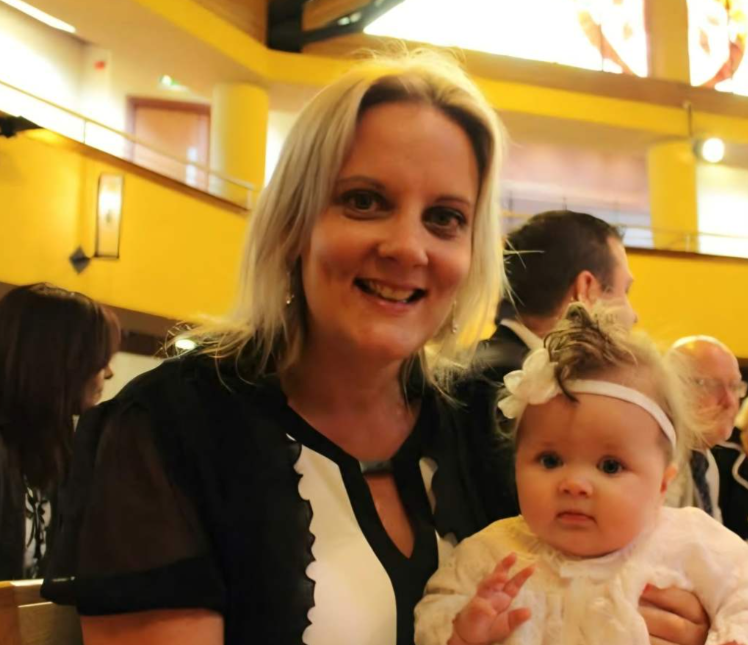
Before her diagnosis, Cora had just lost four stone, felt fitter than she had in years when she noticed a small dent in her breast.
“I actually felt very healthy. The only thing I was experiencing was tiredness. But I had a child starting secondary school, another in college, I was working full time. Why wouldn’t I be tired?”
Standing in front of the mirror one morning, she followed online instructions for a breast self-examination.
“When I lifted my arm, I noticed a dent underneath my breast. It was like something was pulling from the inside. I just had a gut feeling that something wasn’t right.”
Cora's GP referred her for tests, which led to her diagnosis of breast cancer. The cancer was triple positive, meaning it was driven by oestrogen and progesterone hormones and was also HER2-positive. The cancer had already spread to her lymph nodes, and a small lesion had been detected on her liver.
“When they told me it had reached my liver, I honestly didn’t know what that meant for my future,” Cora says. “I didn’t know if I was going to live or die.”
She underwent six months of intensive chemotherapy, including the drug patients often refer to as “the Red Devil”, because of its distinctive colour and powerful effects.
At the Daffodil Day Centre, Cora was handed a brochure for ARC Cancer Support Centres. After her treatment ended, Cora felt ready to seek additional support, and decided to contact ARC, which has three centres in Dublin, and its services are provided free of charge. These include counselling, children’s therapy, stress management, nutrition advice, acupuncture and other complementary therapies, as well as wellbeing classes, support groups, and drop-in support when someone just needs to talk.
"While hospitals treat the physical cancer, the people going through cancer and the family members who love them, need vital support for their mental health and well-being. Looking back, I can see what a turning point discovering ARC was for me. It was as simple as being handed a leaflet and making a quick phone call. It turned out to be one of the most important calls I ever made. It has made such an incredible difference to me and my whole family."
The one-to-one counselling sessions became a "safe space" where Cora could speak openly.
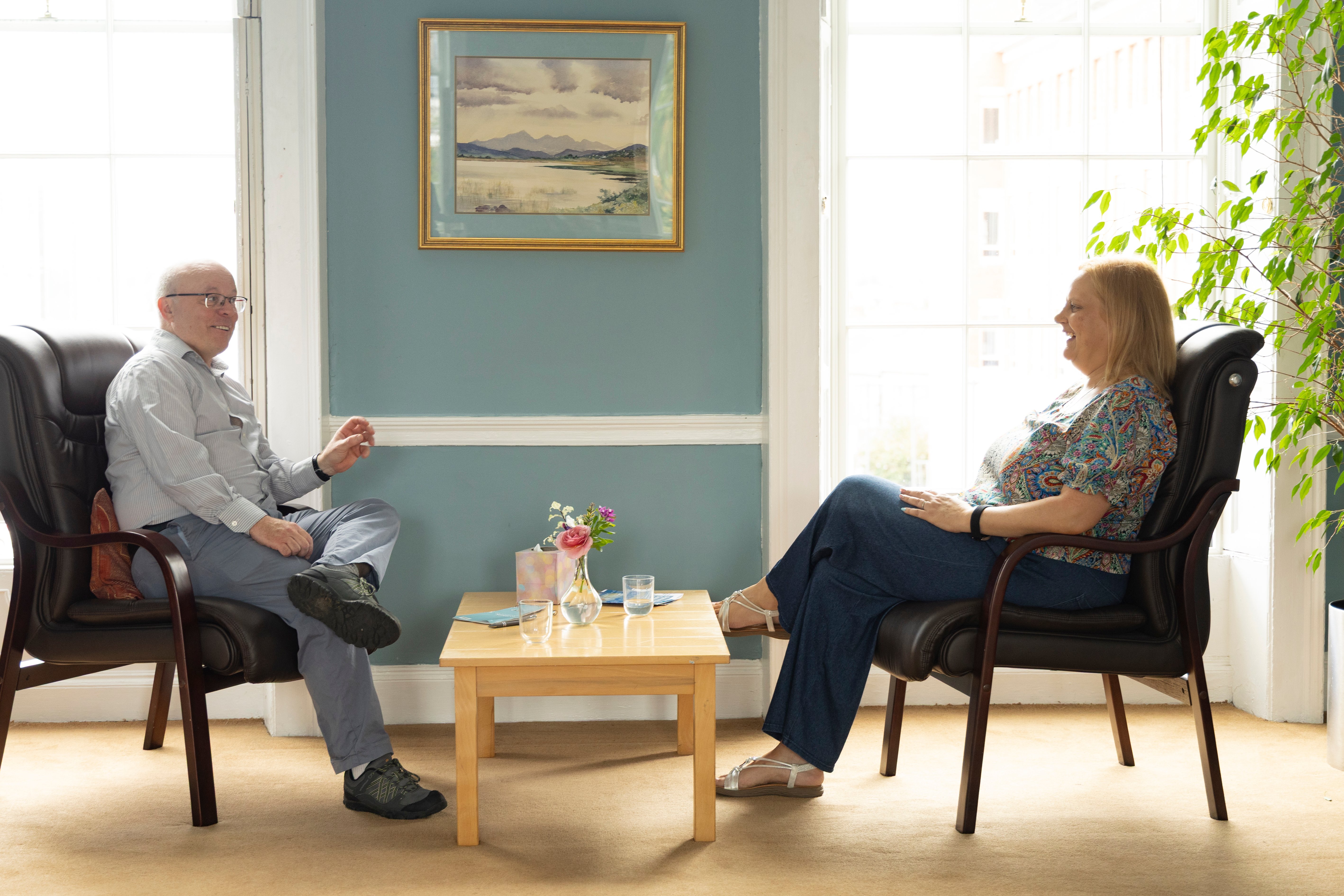
"That heavy feeling I’d had begun to lift, I felt lighter. Like my capacity to feel joy was returning. At ARC, my head finally found peace. I always say ARC saved me in those first two years.”
"When I stood in Penneys crying because I thought, ‘This is my last Christmas. I won’t be here next year', I was totally lost. I met a woman with a remarkably similar diagnosis who had been living well for years. She asked me, ‘Before you were diagnosed, did you spend your time worrying about next year?’ When I said no, she simply said, ‘So why are you doing it now?’"
Twelve years later, Cora just celebrated her 50th birthday in Spain and is looking forward to spending this Christmas with her family and three grandchildren, Heidi (9), Leon (7) and baby Sadie (3.5 months).
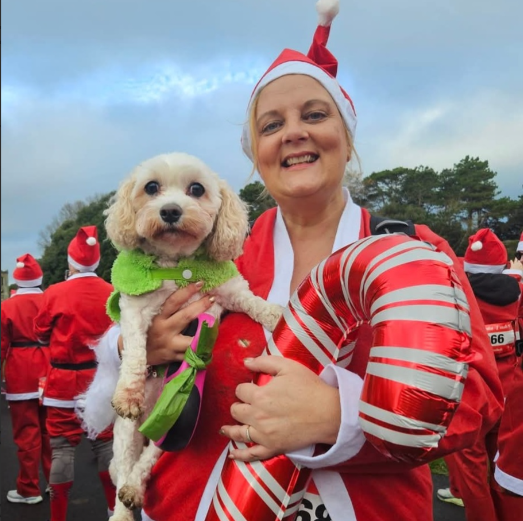 "Meeting my grandchildren and watching them grow up was something I once believed I’d never experience. A Stage 4 cancer diagnosis isn't what it used to be. I've had my setbacks, but I am living well," Cora says. Today, she remains on maintenance treatment and every three weeks she attends hospital for intravenous therapy or a "spa treatment" as she calls it.
"As I look back at that time and remember the fear and uncertainty, I am so conscious that today someone else is feeling the same things I did 12 years ago. They’ve just been told they have cancer, their head is spinning, and they’re afraid and wondering how to break the news to the people they love."
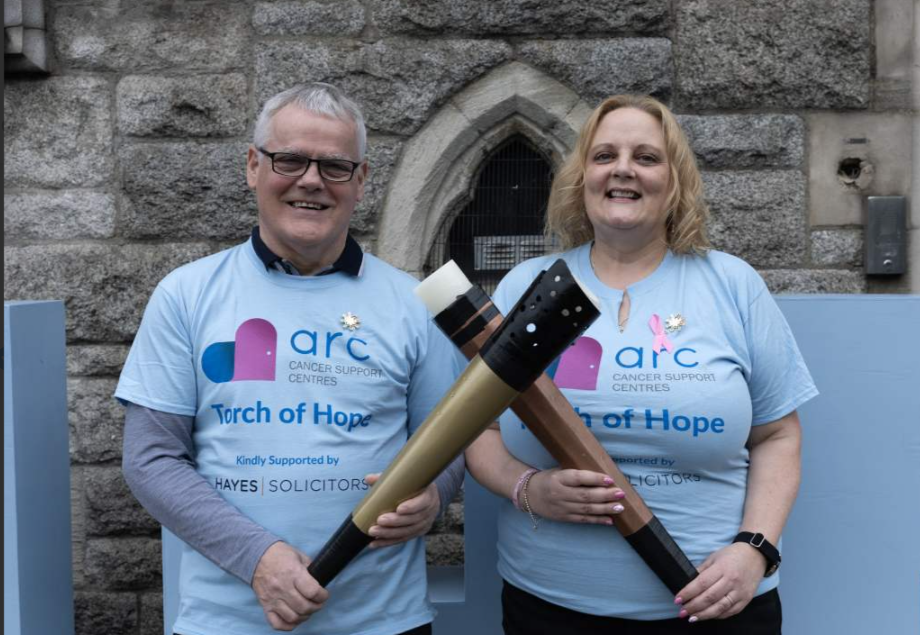
This year, figures from the National Cancer Registry Ireland showed that more than 230,000 people are now living after a cancer diagnosis in Ireland, reflecting significant advances in treatment and survival.
Amy Nolan, CEO of ARC Cancer Support Centres says that advances in cancer detection and treatment mean more people are living longer with and beyond a cancer diagnosis, and with that comes a growing need for emotional, psychological and practical support.
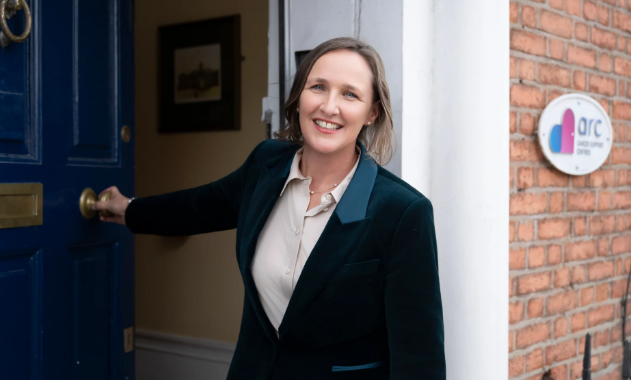
"At ARC Cancer Support Centres we see every day how access to the right support at the right time can make a profound difference to people affected by cancer, including family members. From diagnosis through treatment, survivorship, or end of life care, our services help individuals manage distress build resilience and regain confidence hope and quality of life," Ms Nolan said.